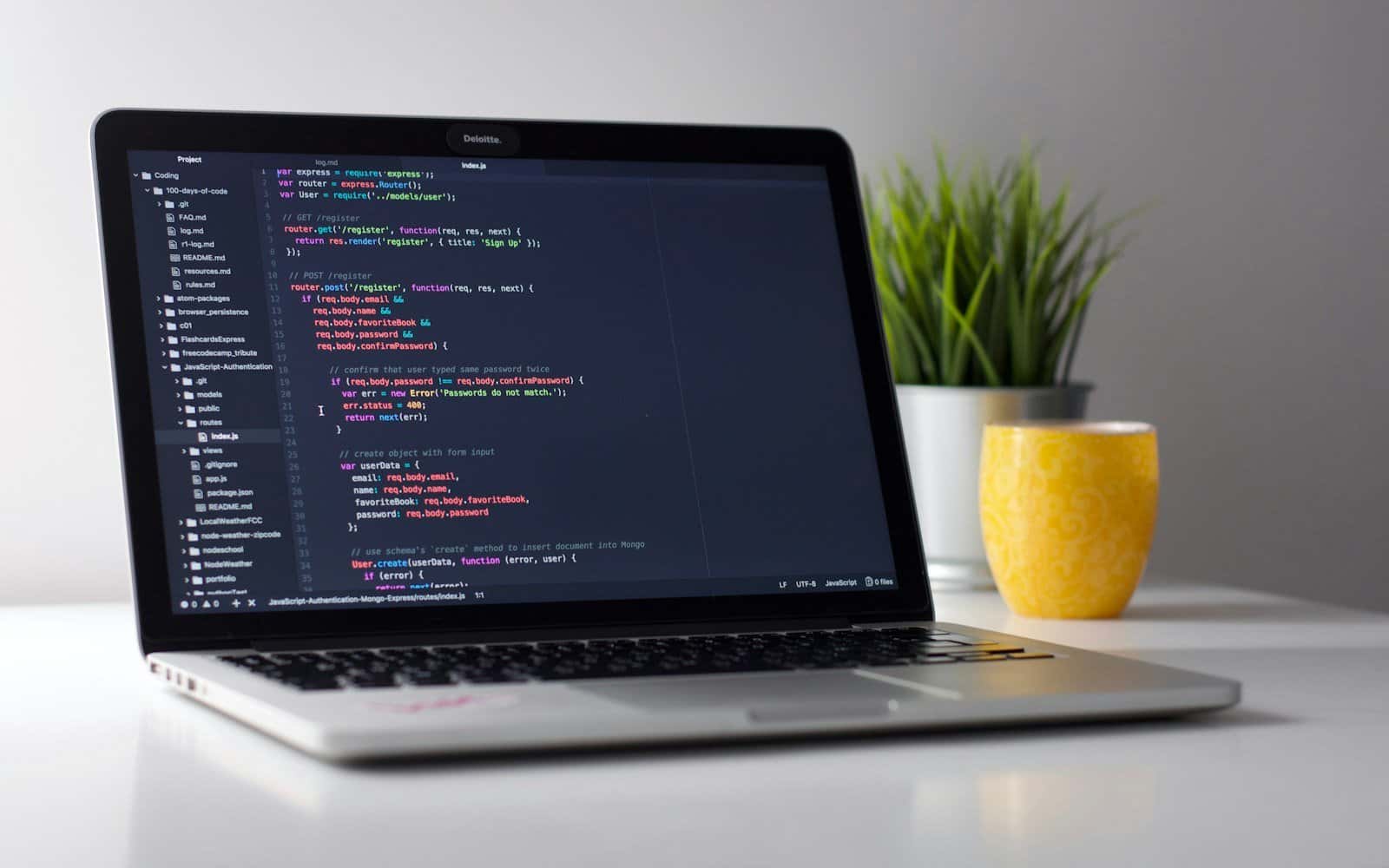
AI coding assistants have evolved from autocomplete into collaborators that can read an entire repository, propose multi-file changes and run tests. We spent four weeks using them on real projects to see which workflows genuinely speed developers up.
How we tested
Each assistant was used for the same set of tasks: fixing a reported bug, adding a feature behind a flag, refactoring a legacy module and writing tests for untested code. We measured time to a working, reviewed pull request rather than lines of code generated.
Where they shine
Explaining unfamiliar code, writing boilerplate and producing test scaffolding were consistent wins. Agent-style modes that can run the test suite and iterate on failures saved the most time on well-tested codebases.
Where they stumble
Large refactors across poorly documented modules still produced plausible but subtly wrong changes. The assistants were only as good as the feedback loop: projects without tests saw far smaller gains.
Our verdict
Pick the tool that fits your editor and review process, and invest in tests before you invest in licences. A strong test suite is the single biggest multiplier for AI-assisted development.
Key takeaways
- How we tested
- Where they shine
- Where they stumble
- Our verdict